Federal contractors often struggle with the "Understanding the Requirement" language found in Sections L and M. Many fall into the trap of simply paraphrasing the SOW, but recent GAO Protest Decisions reveal a much deeper standard. To win in today’s market, your proposals must prove that your approach and understanding are inextricably linked.
Join Dr. Bob Frey, APMP Fellow, for an insightful session on leveraging 2026 GAO decisions to strengthen your technical volume. We will dive into why the Government now defines "High Confidence" as a combination of requirement mastery, relevant expertise, and the ability to perform with minimal intervention. Learn how to demonstrate true understanding—without ever using the phrases "we understand" or "we recognize"—by connecting your solution to Federal strategy, statute, and agency-specific policy.
Key Take Ways:
Move beyond superficial treatment of “Understanding the Requirement” in your proposals.
Capture Managers and Proposal professionals should build a matrix for the “Understanding the Requirement” portion of each major Technical section. Include in the matrix the Government agency’s infrastructure, teams, technologies, problem-solving techniques, systems, tools, strategies, statutes, and policies. This tool should guide content providers in developing solutions, as well as reviewers in assessing the completeness and depth of each Understanding subsection.
Be sure to link your company’s Understanding of the Requirements to the Government’s Quality Assurance Surveillance Plan (QASP) and Acceptable Quality Levels (AQLs).
Register here: https://www.eventbrite.com/e/understanding-and-high-confidence-in-federal-proposals-tickets-1986010606185?aff=oddtdtcreator
Understanding and High Confidence in Federal Proposals—Leveraging What GAO’s Decisions Say to Strengthen Your Proposals
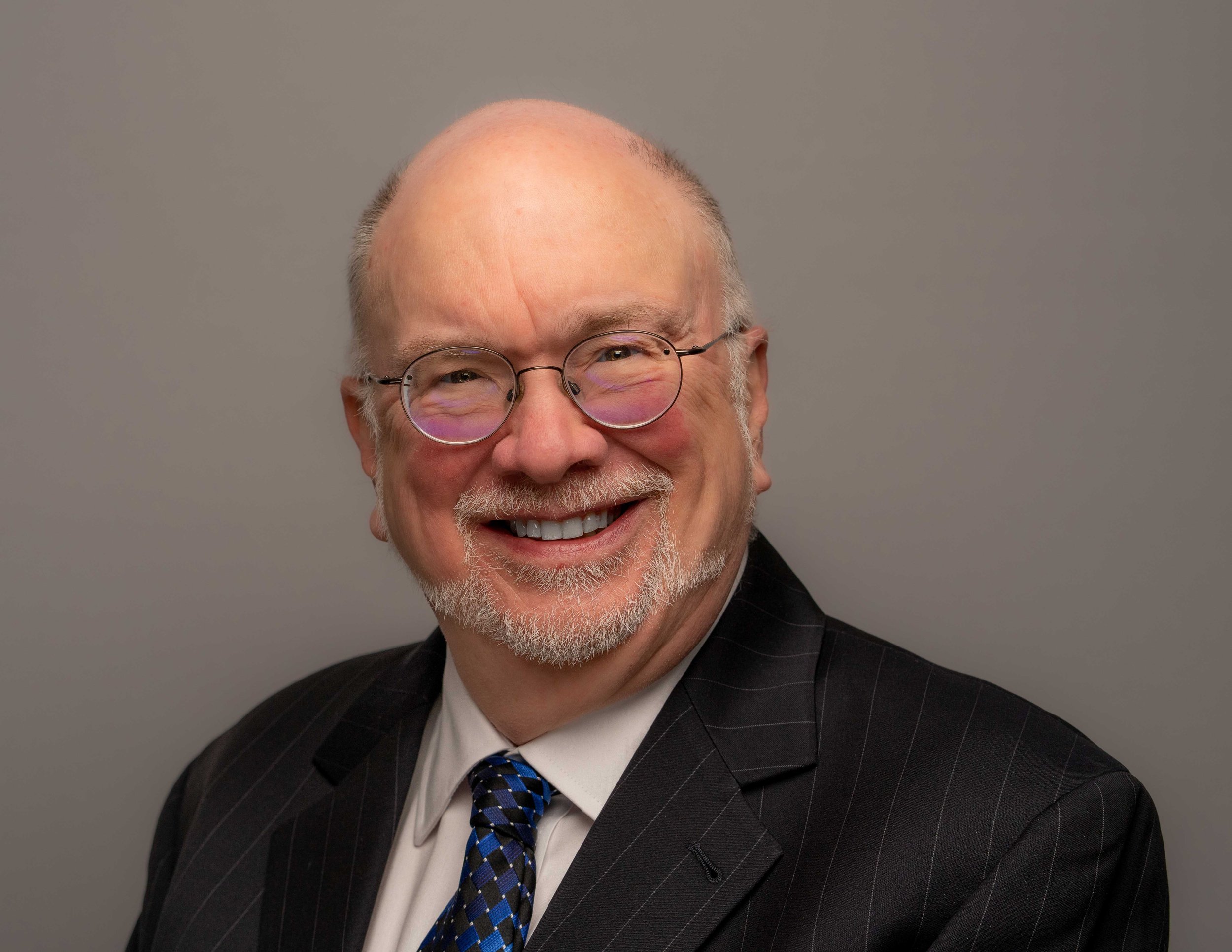
Speaker: Dr. Bob Frey, APMP Fellow (since 2006)